Real cost of Harringay removals compared to DIY
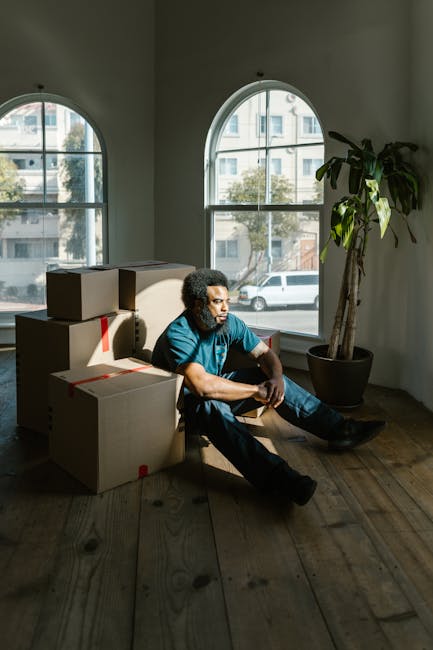
If you are weighing up a move in North London, the question usually starts simple: should you hire help or do it yourself? But the real cost of Harringay removals compared to DIY is not just about the upfront quote or the rental van price. It is about time, fuel, lifting risk, parking stress, packing materials, delays, and the little surprises that only show up once the sofa is halfway through the hallway. Truth be told, that is where the numbers start to change.
This guide breaks the decision down in plain English. You will see what actually sits behind removal costs in Harringay, what DIY often misses, when professional help makes sense, and how to judge the option that fits your move without getting stung by hidden extras. If you live near Green Lanes, have narrow stairwells, or are trying to move on a tight schedule, this will feel very familiar.
And yes, the van is only one piece of the puzzle.
- Why the real cost matters
- How removals versus DIY cost up in practice
- Benefits of each route
- Who each option suits
- Step-by-step decision guide
- Practical expert tips
- Mistakes that push costs up
- Tools and resources
- Compliance and best practice
- Comparison table
- Real-world example
- Checklist
- Conclusion
- Frequently asked questions
Why Real cost of Harringay removals compared to DIY Matters
On paper, DIY often looks cheaper. You hire a van, buy a few boxes, rope in a friend with a strong back, and off you go. But in real life, moving is rarely that neat. In Harringay especially, the costs can creep in through parking restrictions, loading time, steep or awkward stairs, and the sheer inconvenience of trying to do it all yourself on a busy London road.
The reason this matters is simple: if you only compare the headline figures, you may choose the wrong option for your move. A self-managed move can work brilliantly for a small flat with easy access and very little furniture. For a family home, a full flat, or a move with awkward access, the DIY route can become more expensive than expected once you count everything properly.
There is also the human side of it. Moving day is tiring. People are already juggling utilities, keys, school runs, work leave, and that mysterious box of cables nobody can identify. Add heavy lifting and parking pressure, and the whole day can turn into a long, stressful slog. That stress has a cost too, even if it never appears on the receipt.
So the real question is not "Which is cheapest at first glance?" It is "Which option gives me the best overall value for this specific move?"
How Real cost of Harringay removals compared to DIY Works
To compare the two properly, break the move into cost categories. That makes it much easier to see what is fixed, what is variable, and what tends to be overlooked.
What a professional removal service usually covers
A removal company or man and van service may include labour, vehicle use, loading, transport, unloading, and sometimes basic protective handling. Depending on the job, you may also choose extras such as packing help or furniture dismantling. The total price reflects not just the van, but the team, the coordination, and the reduced risk of a botched lift or a second trip.
For many people, that convenience is the main draw. You are paying to reduce friction. In practice, that can be worth a lot.
What DIY removals usually include
DIY looks cheaper because you pay for the obvious items yourself:
- van hire or fuel for your own vehicle
- boxes, tape, bubble wrap, and covers
- food and drinks for helpers, if you want to be decent about it
- parking or permit-related costs where relevant
- moving equipment such as dollies, straps, or blankets
- time off work and the value of your own labour
Then there are the less obvious bits. You may need extra fuel for a second trip. You may need to extend the van hire because the load takes longer than planned. You may need to buy replacement packaging because the first batch was not enough. Little things. They add up.
The hidden costs people forget
The hidden costs are usually where DIY gets expensive. Common examples include:
- damaged furniture or scratched walls
- injury or strain from lifting badly
- missed work time for one or more people
- longer move times because of traffic or parking delays
- extra fuel if the route takes longer than expected
- stress-related mistakes, like forgetting keys, tools, or fragile items
If you are moving in Harringay, parking and loading can be a bigger issue than people expect. A short walk from the front door to the van sounds fine until you are doing it 30 times with heavy boxes in the rain. Happens more often than you would think, especially in winter.
A simple way to compare the cost
Instead of asking "What does the van cost?" ask:
- How many hours will the move really take?
- How many people do I need to lift safely?
- What materials do I need?
- What could go wrong, and what would that cost me?
- How much is my time worth on moving day?
That last one is the bit most people skip. Yet it is often the deciding factor.
Key Benefits and Practical Advantages
Each option has a place. The better choice depends on the size of the move, your access, your timing, and your appetite for stress. Let us look at the real advantages, not the polished sales version.
Why a professional move can be better value
- Speed: an experienced team can usually move faster than a group of friends figuring it out as they go.
- Less physical strain: heavy lifting is handled by people used to doing it safely.
- Fewer delays: a proper removal setup tends to be smoother, especially where access is awkward.
- Lower damage risk: trained movers usually know how to protect furniture and property better than a first-timer.
- Less decision fatigue: you do not spend the whole day making tiny logistics decisions.
That lower stress can be worth a lot, especially if you are moving with children, working around a lease deadline, or simply exhausted already.
Why DIY can still make sense
- Lower upfront spend: if the move is small, the immediate cash outlay may be lower.
- More control: you decide exactly how things are packed and handled.
- Flexible timing: you can work around your own schedule if you are not tied to a booked crew.
- Good for smaller loads: a studio flat or a few bulky items may be manageable without extra help.
To be fair, DIY can be the right call. If you have a light load, easy access, and willing help, the numbers may genuinely work out. Just make sure you are comparing the full picture, not just the van hire.
Expert summary: The cheapest option on paper is not always the cheapest in reality. In many Harringay moves, the deciding factor is not money alone but the trade-off between time, risk, and physical effort.
Who This Is For and When It Makes Sense
This topic matters most if you are trying to decide whether to book removals or do it yourself for a move in or around Harringay. The answer changes depending on what you are moving and how complicated the day is likely to be.
DIY often makes sense for:
- students or renters moving a small amount of furniture
- single-person moves with minimal large items
- moves between places with very easy parking and ground-floor access
- people with reliable help, a suitable vehicle, and plenty of time
Professional removals often make more sense for:
- families with bulky furniture or lots of boxes
- top-floor flats or buildings with narrow stairways
- moves with limited parking or loading space
- anyone under time pressure
- people who would rather avoid lifting, driving, and logistics all in one day
If you are somewhere in the middle, the choice can be trickier. A small flat move may still justify help if access is awkward. A larger move might be manageable DIY if everything is packed well and you have the right vehicle. The context matters. Quite a lot, actually.
One useful test: if the move already feels like a headache while you are still planning it, that is usually a clue. Not always, but often enough.
Step-by-Step Guidance
Here is a practical way to compare the real cost of Harringay removals compared to DIY without guessing.
Step 1: Make a proper inventory
List every major item, then estimate the number of boxes. Be honest. That extra shelf unit in the corner counts, and so does the pile of things you have not packed yet.
Step 2: Check access at both properties
Measure stairwells, look at door widths, check whether large furniture needs dismantling, and think about how far the van will need to park from the entrance. In Harringay, access can change the game quickly.
Step 3: Calculate the DIY base cost
Add up van hire, fuel, packing materials, and any equipment. If friends are helping, think about refreshments at the very least. It is basic manners, and it still counts as a cost.
Step 4: Add the hidden DIY costs
Include time off work, the risk of damage, possible second trips, and the chance that you might need extra help at short notice. This is where people usually undercount.
Step 5: Compare with a removal quote
Look at what is included. Is loading covered? Is there help dismantling furniture? Are there mileage charges or minimum hours? A good quote should be clear enough that you know what you are paying for.
Step 6: Compare stress, not just price
This is a judgment call, but an important one. If DIY saves a small amount but turns the day into chaos, that saving may not be worth it. If the professional option is only slightly more but saves you half a day, the value starts to look different.
Step 7: Choose the plan that fits the move, not the fantasy
Everyone imagines the perfect move. Boxes labelled neatly, van parked directly outside, no rain, no missing keys. Reality is often a bit messier. Plan for the actual day, not the idealised one.
Expert Tips for Better Results
Here is where small decisions can save real money and hassle. These are the things experienced movers tend to notice early.
Book around access, not just the calendar
If your street has tight parking or busy traffic, choose a time that makes loading easier. Early starts can help, although they are never everyone's favourite thing. Still, a quieter street can make the move noticeably smoother.
Use better packing than you think you need
Weak boxes are a false economy. So are half-closed boxes with loose lids and a vague hope for the best. Pack properly, especially for books, kitchenware, and anything fragile.
Disassemble bulky furniture before moving day
Wardrobes, bed frames, and large tables often cost less to move when dismantled in advance. It saves time and reduces the risk of damage. Keep screws and fittings in clearly labelled bags. Small detail, big payoff.
Protect floors and walls in tight spaces
In terraced houses and flats, scratches happen fast. A blanket over a corner or a bit of floor protection can save a repair later. It is a boring tip, but a useful one.
Always build in a time buffer
Even a small delay can knock the rest of the day off course. Traffic, a missing parking space, or one awkward sofa can add 30 minutes before you know it. Sometimes more.
Ask the awkward questions before you book
What exactly is included? What happens if the move takes longer? Can the team handle stairs? Are there extra charges for waiting? These questions are not rude. They are sensible.
Common Mistakes to Avoid
Most cost blowouts happen because of one of a few predictable mistakes. Nothing dramatic. Just ordinary oversights that get expensive.
- Ignoring access issues: if the van cannot park close enough, the day becomes longer and harder.
- Underestimating volume: people often have more stuff than they think.
- Choosing price only: the cheapest option can become the most costly if it causes delays or damage.
- Leaving packing to the last minute: rushed packing leads to breakages and lost time.
- Forgetting disposal: old furniture or packaging may need separate handling.
- Not checking insurance: if something goes wrong, you want to know where you stand.
One of the most common mistakes is assuming that "a couple of mates and a van" is automatically cheaper. Sometimes it is. Sometimes it is a long, weary day with extra food, extra fuel, and a back that protests for two days afterwards. Not exactly a bargain.
Tools, Resources and Recommendations
You do not need a mountain of specialist gear, but a few practical tools make a difference.
Helpful moving tools
- strong cardboard boxes in several sizes
- packing tape and dispensers
- labels or marker pens
- furniture blankets
- straps or bungees for securing items
- dolly or sack truck for heavier boxes
- tool kit for dismantling beds, tables, and shelving
Useful planning resources
For a smoother move, it helps to understand the service offering and what is included. Pages such as removals, man and van, and pricing and quotes can help you compare the practical setup before you commit.
If you are dealing with bulky items, you may also want to look at furniture pick up and packing and unpacking services as part of the wider move plan. Sometimes the real saving is not in doing everything yourself, but in buying back time where it matters most.
Local considerations that affect cost
Harringay streets can be busy, and access is not always generous. If your move involves tight roads or limited loading space, the planning burden rises. You may also need to think about parking and waste disposal after the move. A sensible approach is to plan the move and the aftermath together, not as two separate jobs.
For a better sense of road and access issues, this guide on narrow access around Green Lanes is useful, especially if your building is tucked away or your frontage is tight.
Law, Compliance, Standards, or Best Practice
Moving house is not usually a heavily regulated activity for the customer, but there are still practical duties and best practices worth knowing. These are not glamorous, but they matter.
Parking and access
In some parts of London, parking restrictions and loading rules can affect how a move runs. If your vehicle cannot stop where you expected, the move can take longer and costs may increase. It is worth checking local parking arrangements well in advance and not leaving it to the morning of the move.
Insurance and safe handling
If you hire a removal service, ask about insurance and what it covers. Good movers should be able to explain how items are handled and what happens in the event of damage. If you are DIY, the risk sits more directly with you. That does not mean disaster is inevitable. It just means you should be honest about the exposure.
Waste and clearance responsibilities
Old furniture, boxes, and broken items should be dealt with responsibly. Dumping waste is not the answer, and doing it badly can create extra hassle. If you are clearing out as part of the move, this guide on waste disposal rules after removals and clearances is worth a look.
Health and safety basics
Good lifting technique sounds boring until someone strains their back. Use proper lifting, don't twist under load, and do not try to carry something too heavy just to save a second trip. There is no prize for heroics. A move should end with the furniture in place, not with someone on the sofa nursing a pulled muscle.
For more on the company's safety approach, you can also review health and safety policy and insurance and safety.
Options, Methods, or Comparison Table
Here is a straight comparison to help you weigh the real-world differences.
| Factor | DIY move | Professional removals |
|---|---|---|
| Upfront cash outlay | Usually lower at first glance | Usually higher, but more inclusive |
| Time required | Often longer, especially with loading and unloading | Usually faster and more structured |
| Physical effort | High | Much lower for the customer |
| Damage risk | Higher if packing or lifting is rushed | Lower when handled by experienced movers |
| Stress level | Often higher | Usually lower |
| Flexibility | High if you control the schedule | High, but within the booked slot |
| Best for | Small, simple moves | Medium to larger or awkward moves |
The table does not tell the whole story, of course. It is a guide, not gospel. But it does show why the cheapest-looking option is not always the smartest one.
Case Study or Real-World Example
Imagine a one-bedroom flat move in Harringay. The household has a bed frame, mattress, two shelves, a small sofa, a dining table, and around 20 boxes. There is street parking nearby, but space is tight and the property sits on an upper floor. Nothing outrageous. Just awkward enough to matter.
If the move is DIY, the cost may appear manageable: a van hire fee, fuel, packing materials, and a bit of takeaway lunch for the helpers. But then the day unfolds. One helper turns up late, the sofa needs an extra angle to get through the stairwell, and the van cannot stay where hoped. Suddenly the move takes longer, the hire window is under pressure, and everyone is tired by mid-afternoon. You may still finish, sure, but the day has cost more than money.
Now compare that with a professional removal team. The quote is higher at the start. No question. But the team arrives prepared, loads efficiently, handles the awkward items, and finishes in a more predictable time window. The cost is more visible, but the stress is lower and the risk of mistakes drops. For a move like this, many people find the professional option gives better overall value even if the invoice is bigger.
That is the key idea: total cost is not the same as headline price.
Practical Checklist
Use this checklist before you choose DIY or removals.
- Have I listed every large item and box?
- Do I know whether parking or loading will be difficult?
- Have I measured staircases, doors, and hallways?
- Do I have enough boxes, tape, and protection materials?
- Will I need help with lifting or dismantling furniture?
- Have I allowed for fuel, van hire, and possible delays?
- Have I checked what the removal quote includes?
- Do I know whether I need packing help or furniture dismantling?
- Have I thought about waste disposal after the move?
- Which option leaves me less stressed and less rushed?
If you can answer those confidently, you are in a much better position to choose wisely. If not, slow down a little. Better to plan properly now than improvise later with a sofa wedged in a hallway. It happens more than people admit.
Conclusion
The real cost of Harringay removals compared to DIY comes down to more than the bill on moving day. DIY can be cheaper for small, simple moves with easy access and plenty of help. Professional removals often become better value when you factor in time, energy, access problems, risk of damage, and the plain old fatigue of doing everything yourself.
The smartest choice is the one that fits your move honestly. Not the one that sounds cheapest in theory. Not the one that looks tidy in a spreadsheet. The right answer depends on volume, access, timing, and how much stress you are willing to carry alongside the boxes.
If you are still on the fence, think of it this way: are you trying to save a bit of money, or are you trying to make moving day manageable? Sometimes the answer is both. Sometimes it is not. Either way, a clear-eyed comparison will usually point you in the right direction.
Get a free quote today and see how much you can save.
Frequently Asked Questions
Is DIY moving always cheaper than hiring removals in Harringay?
Not always. DIY can be cheaper upfront, but once you add fuel, van hire, packing materials, time off work, and the risk of damage or delays, the total can creep up fast.
What hidden costs do people forget when moving themselves?
Common ones include extra fuel, parking issues, van hire extensions, food for helpers, missing equipment, and the cost of replacing items that get damaged during the move.
When does a removal company offer better value than DIY?
Usually when the move is larger, access is awkward, stairs are involved, or you are short on time. If stress and delay would cost you more than the quote difference, a removal team often makes better financial sense.
How do I compare a removal quote with a DIY estimate?
List all likely costs for each option. Then add time, labour, and risk. Compare the complete total, not just the first number you see.
Is a man and van service a middle ground between DIY and full removals?
Yes, often it is. It can be a good option for smaller or medium moves where you want help with transport and lifting without paying for a larger full-service move.
What makes Harringay moves more expensive or difficult than expected?
Parking pressure, narrow roads, tight stairwells, and busy streets can all slow a move down. Even a short move can take longer if access is poor.
Should I pack everything myself to save money?
That depends on your time and confidence. DIY packing can save money, but poor packing often leads to breakages and extra stress. A mixed approach can work well.
Do I need to think about insurance when moving?
Yes. If you hire movers, ask what is covered. If you move yourself, you carry more of the risk directly, so good packing and handling matter even more.
Can I reduce removals costs without switching to DIY?
Yes. Declutter before moving, pack efficiently, dismantle furniture where sensible, and choose a moving time that suits local access conditions. That can trim the job without taking on all the work yourself.
What is the biggest mistake people make when choosing DIY?
Underestimating how long it will take. Once the move runs over, the savings can disappear quickly. People often forget that moving time multiplies under pressure.
How do I know if my move is too big for DIY?
If you have several large pieces, limited parking, multiple floors, or not enough reliable help, DIY starts to become less practical. That is usually the point where professional help earns its keep.
What should I check before booking a removal service?
Ask what is included, whether there are extra charges, how access issues are handled, and what insurance or safety measures are in place. A clear quote is worth more than a vague cheap one.
Where can I learn more about local moving issues in Harringay?
Useful background on access, parking, and move planning can be found in the local guides on the site, including the articles on street parking rules and permits for removals and broader service pages such as removals near me.