Man With A Van in Harringay
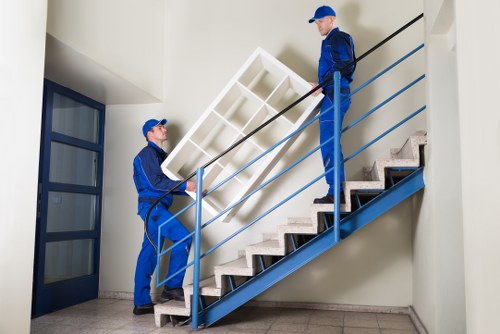
Man With A Van Harringay provides straightforward moving help for homes, flats and businesses that need a practical vehicle, careful lifting and an organised approach. The service is built around transport, loading and unloading, and the kind of flexible support that suits smaller moves, part loads and single-item collections. If you need a clear way to move furniture, boxes or equipment in and around Harringay, the emphasis is on getting the job handled neatly rather than making it more complicated than it needs to be.
Our work can suit customers who are moving a few streets away, transferring items between addresses or shifting belongings that are awkward to move in a normal car. Man and van hire is often chosen because it combines the space of a removal vehicle with the hands-on help needed to make loading efficient. That can be useful when you want a moving van service without the scale of a full removals package. The aim is to keep the process organised, calm and suitable for the type of move in question.
For a quicker first step, use the details you already have about the items, access and destination to request a quotation. If you are comparing options, it also helps to look at the pricing and quotes page before you decide how much support you need.
Moving support for homes, flats and shared buildings

Home moving requests often need more than a vehicle alone. Items may have to be carried from an upper floor, manoeuvred through tight stairwells or protected while they are lifted into place. A man with a van arrangement is suited to this type of move because it gives you one practical contact point for transport and handling. It can work well for studio flats, smaller family homes, student moves and day-to-day domestic transfers where the load is manageable but still too much for ordinary transport.
When you are planning household removals, the main question is usually how to match the service to the load. Some customers only need a few pieces of furniture moved, while others need boxes, beds, tables and white goods carried together. We can support home moves with the attention needed to keep items grouped sensibly, so that heavier and lighter belongings are loaded in a sensible order. That helps reduce wasted space and makes unloading easier at the other end.
The best results come from clear, practical planning. A simple inventory of larger items, any restrictions at the property and the preferred timing all help shape the work. If there are narrow hallways, shared entrances or limited waiting space, those details matter because they affect how the move is approached. Useful preparation is not about overcomplicating the job; it is about making sure the vehicle, lifting and route all fit the move you actually need.
Furniture, single items and part-load collections

Not every job is a full house move. A van with manual loading support can be a sensible choice when you only need one or two large items collected or delivered. Sofas, wardrobes, desks, beds and other bulky pieces often need a route that is safer than trying to fit them into a small car. We can assist with furniture pick-up when the priority is collection, careful handling and delivery to the right address with minimal fuss.
Part-load work is also useful when several items need to move but do not justify a larger removal operation. This can include mixed household goods, market purchases, items bought privately or storage pieces that need to be transferred between addresses. A good loading plan matters here because items need to be secured properly and placed in an order that supports the destination schedule. The service is especially practical when the shipment is too much for parcel delivery, but not enough for a large removals van.
In these cases, the right balance is usually between space, access and handling. Large furniture often needs blankets, straps and sensible positioning so it does not shift in transit. Fragile items may need separate packing or clearer labelling. If you are arranging several collections in one run, try to group them before you request a quote. That makes it easier to judge what vehicle space and loading time are needed, and it keeps the move realistic from the outset.
Office and business moves with minimal disruption
Business customers usually need a removal service that respects timing, access and the importance of keeping work moving. A man with a van approach can suit smaller office relocations, equipment transfers and straightforward commercial removals where the task is practical rather than large-scale. It is often a sensible option for desks, chairs, archive boxes, stock, presentation materials and lightweight office furniture that need to be moved without unnecessary delay.
We can also support office removals where the move is mainly about getting items safely from one work location to another. That may involve lifting from upper floors, moving items through shared entrances or coordinating with reception, building management or loading restrictions. In commercial settings, the value is usually in keeping the move disciplined and predictable, so the business knows which items are moving and what can be delivered in one run.
Commercial moving work is best handled with a clear list of priorities. Sensitive paperwork, monitors, shelving and small furniture can be separated from general stock so that the order of loading makes sense. Where possible, it helps to label what is leaving first and what can wait until later. That makes the move easier to direct and reduces the chance of items being placed in the wrong room or office on arrival.
How we approach loading, transport and unloading
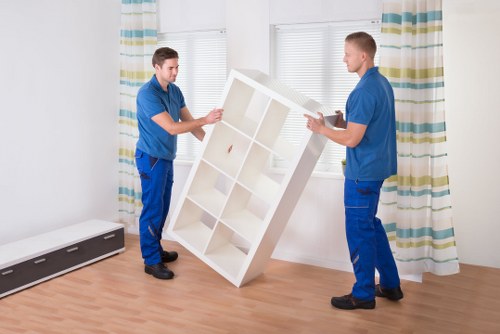
Transport work is only one part of the job. Loading and unloading matter just as much because they shape how safe and efficient the move feels for the customer. A van service is most useful when the lifting is handled in a steady, organised way, with items placed in a sequence that suits the route and destination. That is particularly important for awkward shapes, heavy boxes, appliances and furniture that need support from start to finish.
If you are arranging a move, the vehicle size and the amount of handling needed should be considered together. Sometimes a smaller load needs careful routing more than a larger van. Sometimes the main challenge is carrying items down stairs or across longer distances to the vehicle. We can discuss moving van options in relation to the type of load, the access at both addresses and the balance between volume and practicality. That makes the booking more relevant to the actual move rather than to a generic assumption about what a van should do.
To help the job run smoothly, it is sensible to have basic access information ready. A staircase, lift, loading bay, parking restriction or long carry can affect the time and the way the move is organised. If there are items that should not be stacked or tilted, mention them early. Clear access details are especially useful where the route in or out is tight, because they help avoid avoidable delays and make the move more efficient for everyone involved.
Service options that suit different kinds of removals
Different customers need different levels of help, even when the service name sounds similar. Some want a simple van and driver arrangement, while others need a more hands-on removals service with loading support included. The right choice depends on the size of the move, the kind of items involved and how much carrying is needed at each end. The important point is to match the service to the job rather than trying to over-order or under-order.
Where a broader moving plan is needed, removals can cover a wider range of domestic and small commercial work, while a more targeted van-based option can be better for part loads and shorter moves. A customer may also prefer a dedicated route when items need to be collected from one property and delivered to another without added complexity. This gives flexibility without pretending that every job is the same. It also means the service can stay practical for different budgets and loading requirements.
A simple way to decide is to think about three things: how much needs moving, how far it is going and how much help is needed with handling. That framework is often enough to identify whether you need a light collection, a one-off transfer or a more structured removals arrangement. It also helps when comparing choices because the discussion stays focused on the job, not on unnecessary extras.
About Harringay

Harringay is a North London district in the London Borough of Haringey, with a shape and character that reflect both its Victorian development and its later role within a busy urban corridor. The area is closely associated with Green Lanes, one of its best-known streets, which runs through a long strip of shops, cafes and everyday services. Harringay station on the Great Northern route and nearby Manor House Underground station both connect the district to central London and surrounding parts of the capital, while Turnpike Lane at the western edge links it to a wider transport network. The area sits between other well-known neighbourhoods including Finsbury Park, Wood Green, Stroud Green and Hornsey, and its identity is shaped by that position at the meeting point of several parts of north London.
The district contains a mixture of residential streets, terraced houses and later apartment buildings, along with local landmarks that help define its setting. Harringay Green Lanes railway station is distinct from the underground station of the same name, and the duplication reflects the way the district grew around transport and commerce. The area also includes the site of the former Harringay Stadium and the old Arena, once major entertainment venues that played an important part in twentieth-century local life. Nearby, Finsbury Park provides open green space and a busy social centre, while the route of the New River and nearby waterways in the wider borough give the area a quieter historical layer beneath the urban streetscape. Harringay’s mix of housing, main roads and rail links has long made it a place of movement, exchange and adaptation.
Packing, access and preparing the move
Good preparation does not need to be complicated, but it does need to be realistic. Packing smaller belongings into sturdy boxes, separating fragile items and making sure larger furniture can be reached without delay all make a difference on the day. If items are already dismantled or ready to carry, the move can usually proceed more efficiently. Where packing support is useful, some customers prefer to combine it with transport so that the work is completed in a more joined-up way.
If you need help with the packing side of the job, a service such as packing and unpacking services can complement the van work by making collections and deliveries simpler to manage. It is especially helpful when items are being moved from multiple rooms, or when boxes need to be organised by destination rather than simply loaded in a rush. This kind of support can reduce strain on the move itself, particularly where time is tight or the load includes a mixture of fragile and everyday goods.
A practical quotation request usually includes the main items, the addresses involved, any stairs or lifts and whether there are awkward pieces to carry. That gives a better basis for planning than vague estimates. If you are unsure whether the move needs extra handling, mention the largest or heaviest items first. It is better to be direct about the load than to leave out something significant and change the plan at the last minute.
Choosing the right van-based moving service
There are several ways people describe a van-based move, and the wording can be confusing if you are simply trying to find the right support. Some prefer man with van, others look for removals van help or a moving van arrangement, and some just want a straightforward removal company to take care of the transport. What matters is the actual scope of the job: collection, loading, transport and delivery. The service should feel matched to the work you need rather than to a label on its own.
For local or smaller-scale jobs, a flexible vehicle-based service can be a good fit because it gives room for furniture and boxes without creating unnecessary overhead. It can also be easier to direct than a larger operation when only one vehicle is required. That makes it suitable for items going to storage, a new flat, a student address or another domestic property where the priority is a clear and manageable move.
If you are ready to go ahead, ask for a quotation with the load, route and access details in one place. If you are still comparing options, take a moment to review the service pages and decide what level of support best fits the move. Request a quotation when you are ready and we can help shape the move around the items and the journey.